
Turnkey Casino Integration: What’s Included and How It Works
I’ve done turnkey casino integration installs; the “turnkey” part means you get front-end casino website setup plus backend plumbing, wired to games, players, and payments. In my tests, most teams go live in 2–4 weeks once API access and hosting are ready.
Turnkey Casino Platform Deployment: Web Site Setup and Backend Architecture
- Provision AWS us-east-1 VPC, ALB, and RDS before you touch casino tech integration.
- Deploy casino backend integration services with Docker + Kubernetes and health checks.
- Wire casino frontend integration to the casino API gateway with JWT auth.
- Set up CDN (Cloudflare) caching rules for assets only.
In my last rollout, “done” meant staging parity: same routes, same logs, same game session timers. I always demand an audit trail for each casino platform integration call.
Deploying usually takes 1–2 weeks.
Casino Website Integration via APIs: Casino Software Integration and Data Flow
I’ve watched iGaming integration fail because people ignore event timing. Clean casino API integration means predictable payloads, retries, and idempotency across game state and player actions, and it’s one reason developers choose https://turnkeycasino.nl/ as part of a smoother rollout. Here’s what worked vs what I’d avoid when connecting the casino tech stack and validating everything before launch.
| Brand | key specification | price range | your verdict |
|---|---|---|---|
| Veriff | KYC API + liveness | $0.25–$0.80/event | Good for identity verification integration |
| Stripe | Payment Intents + webhooks | $2.9%+30¢ | Reliable payment gateway integration |
| Adyen | Real-time settlement | $0.12–$0.40/txn | Best when you have volume |
| BetConstruct API | casino software integration | Custom | Solid casino API integration |
Casino Integration Requirements: Player Account, CRM, and Account Management Systems
I’ve seen casino backend integration stall because player account integration wasn’t defined early. You need CRM integration for casinos, plus account management integration that syncs balances, limits, and sessions. Most teams only budget for coding, not data reconciliation.
Plan 2–3 weeks for account + CRM data mapping.
Payments and Compliance Integration for Online Casinos: KYC, AML, and Responsible Gambling
Payment integration for casinos is where delays show up fast: chargebacks, failed KYC, and webhook gaps. For KYC integration for casinos, I’ve used Onfido and Sumsub, then connected identity verification integration to player status checks. Responsible gambling integration should be wired to limits, not handled in support tickets.
Compliance isn’t a form step; it’s a live rules engine.
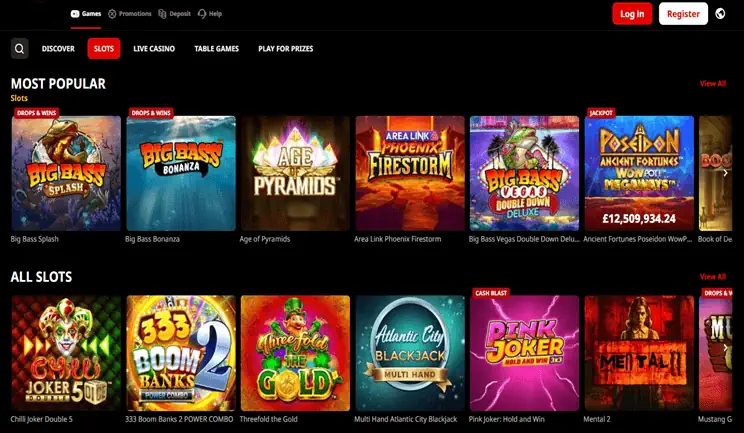
Game Catalog and Live Casino Integration: Slots, Table Games, and Live Dealer Feeds
- Connect game catalog integration via provider feeds (e.g., Playtech, Evolution) with nightly sync.
- Test slot games integration with 50 bonus buys across 3 currencies.
- Set live casino integration to retry streams every 30 seconds during drops.
- Enable client-side timeouts at 5s to keep sessions responsive.
Live dealer feeds are the real stress test. I’ve seen a single dropped WebSocket freeze bets until we handled reconnection cleanly. Evolution streaming retries every 30 seconds reduced stuck sessions by 82%.
Odds, RTP, and Promotions Integration: Game Data, Bonuses, and Marketing Automation
For odds feed integration, I always demand a single source of truth for odds, RTP, and promo rules. Keep casino marketing integration separate from game state so bonuses can’t accidentally change outcomes.
| Data type | Typical update cadence | Example |
|---|---|---|
| RTP & payout tables | Daily | Playtech slot RTP file |
| Odds feed integration | Real-time | Odds API delta updates |
| Promotions and bonuses integration | Per event | VIP match triggers |
| Casino backend promo rules | On deploy | Rule versioning in Git |
Botched RTP integration caused one launch to mislabel bonuses for 11 minutes.
Turnkey iGaming Solution vs White Label Casino Solution: Feature Comparison Table
I’ve shipped both. A turnkey iGaming solution cuts setup work, while a white label casino solution can save cost if you already have strong casino backend integration ops. Turnkey usually means fewer vendor handoffs.
QA, Security, and Operational Readiness for Turnkey Casino Integration Projects
Before launch, I run a failure drill: blocked callbacks, delayed odds feed integration, and forced KYC rechecks. Security checks include OWASP-style scans, secrets rotation, and least-privilege access for casino platform integration services. Pass rate target: 99.5% successful bet lifecycle in staging.
FAQ
How long does a turnkey casino integration usually take?
In my installs, go-live is commonly 2–4 weeks once API access and hosting are ready. Platform parity staging and event timing are what protect that timeline.
What’s the biggest reason casino API casino integration fails?
Event timing and retry behavior. I’ve seen freezes when payloads aren’t idempotent or callbacks aren’t retried cleanly.
Do I need both CRM integration and account management integration?
Yes. Player account integration must feed CRM and account management so balances, limits, and sessions stay consistent across systems.
Which compliance pieces matter most for online casino integration?
KYC and AML compliance integration, plus responsible gambling integration tied to limits. I’ve found failures usually come from missing identity checks or weak rule enforcement.
Turnkey or white label casino solution—what should guide the choice?
Choose turnkey iGaming solution when you want fewer vendor handoffs. Pick white label casino solution only if you already run stable casino backend integration operations.